Introduction: The Role of Youth Sports Beyond Winning
While winning undeniably brings a sense of accomplishment, the realm of youth sports extends far beyond the scoreboard. It is within these arenas of friendly competition, teamwork, and physical activity that children are afforded the invaluable opportunity to acquire new skills, boost self-confidence, and enrich their character. The overarching objective of promoting holistic child development through sports transcends any single-minded pursuit of victory. These formative experiences, whether triumphant or not, play a pivotal role in molding future generations.
Key Benefits: Exploring the Physical Health Advantages
The Critical Shift Towards Active Lifestyles
In contemplating the myriad benefits associated with competitive sports and child development, physical health naturally emerges at the forefront. Over the recent decades, the advent of digital entertainment such as video games and social media has significantly curtailed outdoor playtime. A compelling British study reveals that children today spend twice the amount of time indoors with video games as opposed to engaging in outdoor activities. Consequently, the CDC reports a concerning 19.7% childhood obesity rate in the United States. Hence, fostering physical activity among children and adolescents is more crucial than ever.
Long-Term Health Benefits of Sports
- Reduced risk of future ailments, including heart disease, cancer, stroke, and diabetes
- Decreased likelihood of substance abuse
- Enhanced hand-eye coordination, functional movement skills, endurance, and strength
- Improved development of bones, muscles, ligaments, and tendons
- Better sleep patterns
- Increased ability to physically relax, preventing chronic muscle pain
The healthy habits cultivated through sports participation yield lifelong benefits. A long-term study indicates that children engaged in youth sports between the ages of nine and eighteen are five to six times more likely to maintain an active lifestyle as adults.
Psychological Benefits: Nurturing Mental and Emotional Well-being
Addressing the “Kids’ Mental Health Crisis”
While the physical health benefits of K–12 athletics are well-documented, there is growing recognition of the psychological benefits of youth sports. Coaches, educators, and mentors play a pivotal role in shaping the mental well-being of young athletes. Amid what some term a “kids’ mental health crisis,” compelling evidence underscores the positive impact of sports engagement during formative years.
Enhancing Mental Resilience through Sports
- Reduced stress levels
- Decreased rates of anxiety and depression
- Heightened self-confidence and improved self-esteem
- Enhanced cognitive performance
- Increased creativity
Research establishes a correlation between youth sports participation and heightened self-esteem and happiness. For girls, in particular, sports engagement is linked to a healthier body image.
Academic Performance: The Hidden Link with Sports
Balancing Athletics and Academics
Some parents may perceive athletic commitments as detracting from academic pursuits. However, evidence suggests that involvement in athletics during school years can significantly bolster academic success and future prospects.
Academic Advantages of Youth Sports
- Reduced school dropout rates
- Enhanced academic performance and higher GPAs
- Up to 40% higher standardized test scores compared to non-athletes
- Increased likelihood of attending college
Research indicates that former student-athletes are more productive in the workplace and earn 7%-8% more annually than their non-athlete counterparts.
Social Bonds: Building Connections Through Youth Sports
Cultivating Essential Social Skills
Social skills serve as the backbone of societal interactions, minimizing conflict and facilitating harmonious exchanges. Sports serve as a platform where young individuals hone these skills and begin crafting their identities.
The Power of Team Sports
Team sports necessitate cooperation to achieve shared objectives, cultivating bonding and team-building skills essential throughout life. High-level communication, collaboration, and evaluative skills are nurtured through these interactions. Youth sports participants often develop stronger peer relationships and are more inclined to engage in civic activities.
“Participation in K-12 sports can have a significant — and often life-long — positive impact on students.”
Conclusion: Inspiring Future Generations
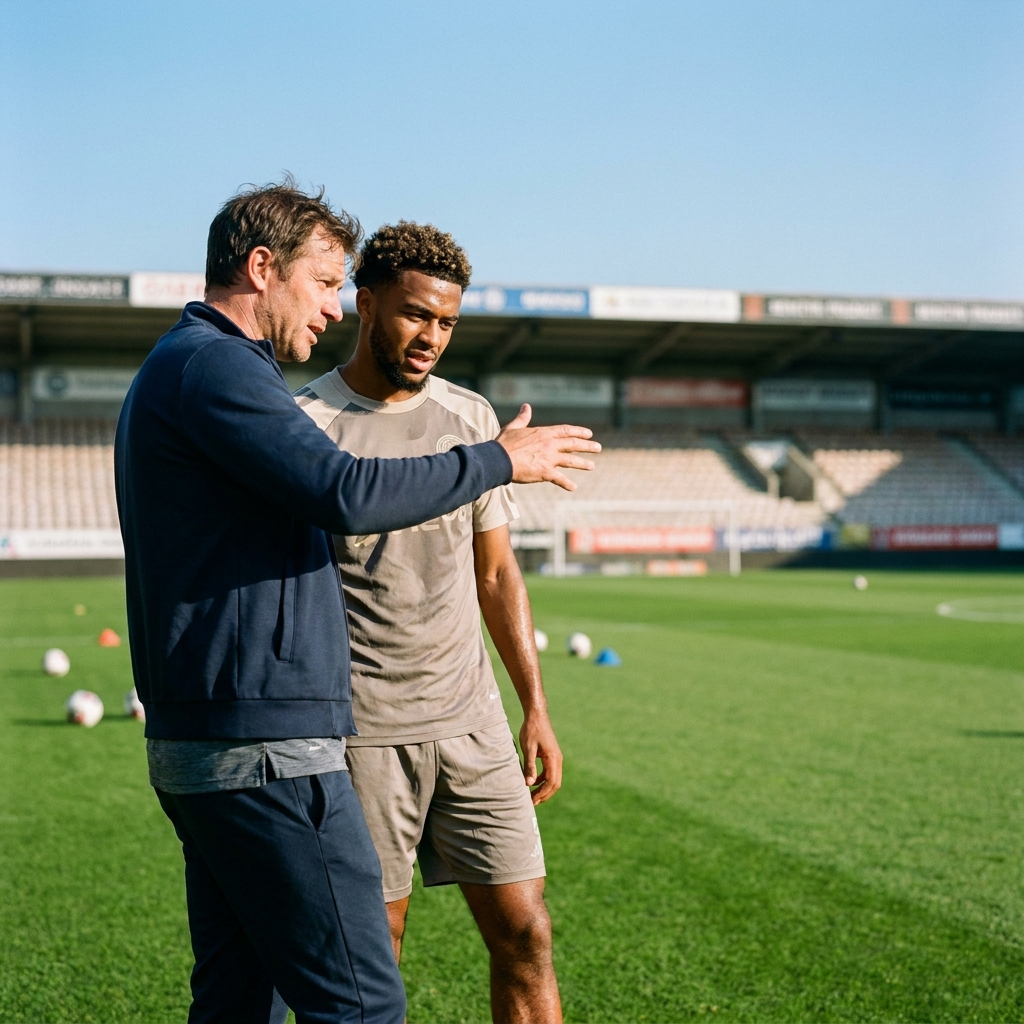
Qualified coaches play a crucial role in delivering positive youth sports experiences. Beyond imparting fundamental skills and fostering a love for the sport, they serve as role models, demonstrating leadership, creating inclusive environments, and imparting valuable life lessons.
The University of San Diego’s Division of Professional and Continuing Education (PCE) offers a Coaching Today’s Student-Athlete Certificate that empowers coaches to nurture not only exceptional athletes but also remarkable individuals, inspiring the next generation.
Call to Action: Enroll in the Coaching Today’s Student-Athlete Certificate program to make a difference in the lives of young athletes and help shape a brighter future.