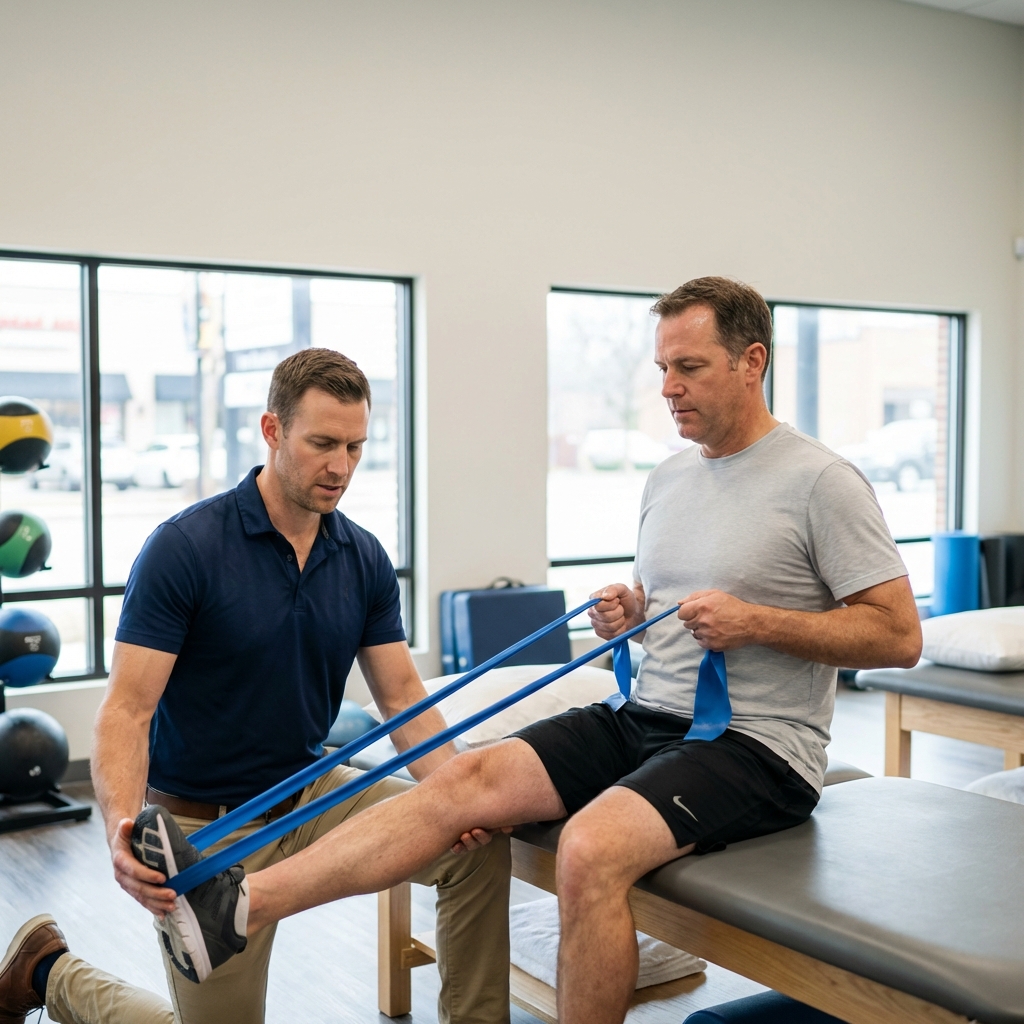
Understanding the Recurrence of Running Injuries
If you’ve ever dealt with a running injury such as shin splints, knee pain, or Achilles issues, you’re likely familiar with this scenario: the pain subsides, you feel great, and then suddenly, the injury resurfaces. Frustrating, right?
Most running injuries don’t return because they ‘never healed.’ They come back because nothing actually changed in your routine or body.
The Science Behind Running Injuries
Your body is constantly adapting to stress. During a run, your tissues—muscles, tendons, bones—absorb significant force. Running can exert 2–3 times your bodyweight through your joints with every step. If your body is prepared for that stress, you stay healthy. If not, you break down.
Injuries occur when the load (running) exceeds your body’s capacity to handle it.
Common Reasons Why Injuries Recur
1. Only Treating the Symptoms
Ice, rest, massage, and time off can reduce pain but don’t strengthen your tissues. Returning to the same level of running without change results in the same injury.
2. Lack of Structured Training
Many runners train based on how they feel, leading to inconsistent progress. Your body requires controlled volume, planned intensity, and gradual progression to adapt effectively.
3. Inadequate Strength Building
Running is repetitive and high-force. Lack of strength in hips, hamstrings, calves, and core can lead to compensation and injury.
4. Poor Load Management
Spikes in training load, such as rapid mileage increases or premature speed work, are strong predictors of injury. Your tissues adapt more slowly than your motivation.
5. Premature Return to Running
Pain relief does not equate to full recovery. Full recovery involves readiness for repeated impact, higher speeds, and longer distances.
Effective Strategies for Preventing Recurrent Injuries
1. Building Capacity
Focus on progressive strength training, controlled loading, and a gradual return to running.
2. Following a Structured Plan
Your training should involve structured progression, planned volume increases, and periods of deloading for optimal results.
3. Strength Training as a Necessity
Strength training is essential for runners to absorb force better, reduce joint stress, and improve efficiency.
4. Respecting the Adaptation Process
Your body needs time to adapt to consistent, progressive stress over time.
Conclusion
Running injuries are not merely bad luck; they are feedback from your body indicating its unpreparedness for the demands placed on it. Address this feedback, and you can stop the cycle of recurrent injuries.
For more information or assistance, contact us at TeamSP@SportsPerformancePT.com for a FREE discovery phone call or explore our Physical Therapy options at Sports Performance.
Stay updated with our latest insights by subscribing to our blog for a FREE E-Book and weekly health tips!