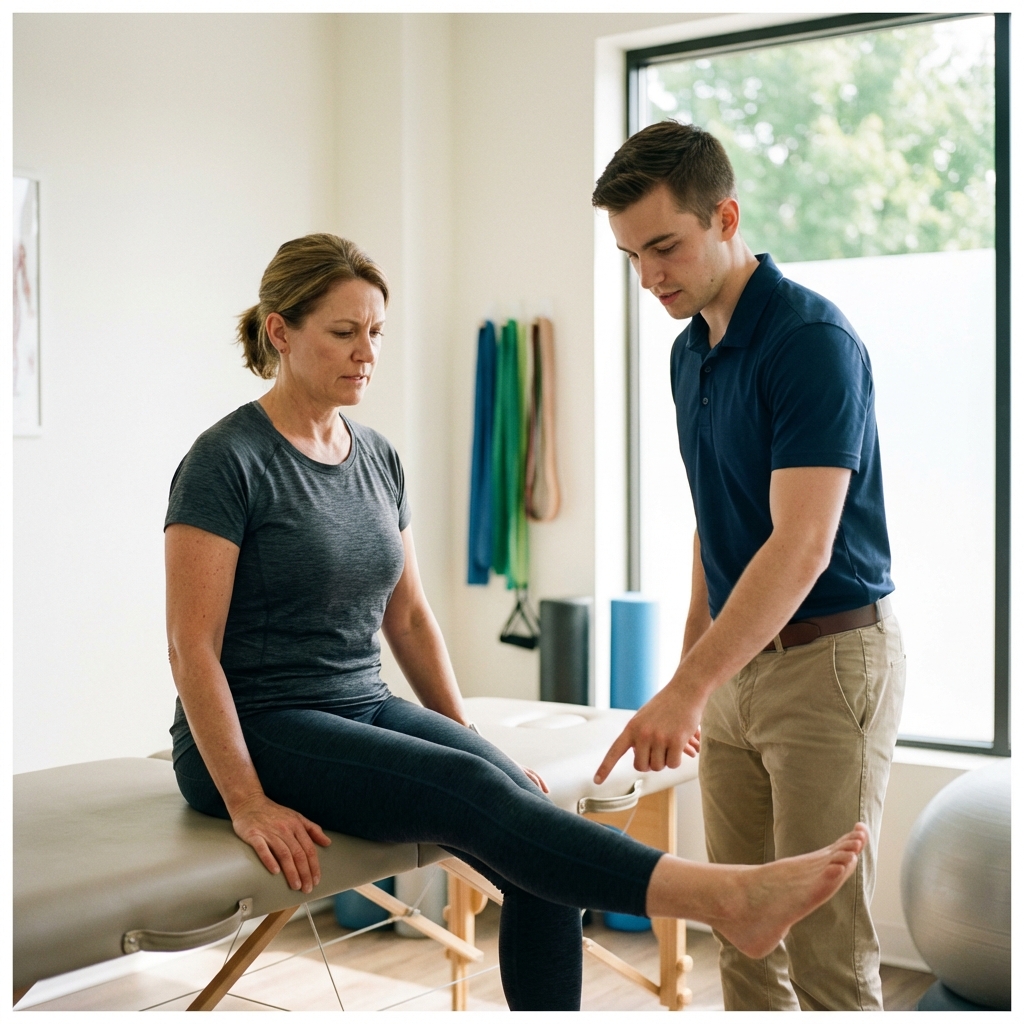
Introduction to Lymphedema
Lymphedema is a chronic condition characterized by the accumulation of lymphatic fluid, leading to swelling predominantly in the arms or legs. This occurs when the lymphatic system, which is integral in removing waste and excess fluid from the body, is compromised. The result is a buildup of fluid that causes not only swelling but also heaviness and discomfort. Despite these challenges, the positive news is that with appropriate therapy, lymphedema can be effectively managed, allowing individuals to maintain a high quality of life.
Who is at Risk of Developing Lymphedema?
While lymphedema can affect anyone, certain groups are at a higher risk:
- Breast cancer patients: Those who have undergone surgery or radiation near the armpit area may experience disrupted lymph flow, leading to arm swelling.
- Ovarian cancer patients: Lymph node removal during treatment in the pelvic region can result in leg swelling.
- Patients with chronic venous insufficiency (CVI): Impaired blood flow in the legs can overwhelm the lymphatic system, causing fluid to accumulate.
Recognizing the Signs and Symptoms
Lymphedema often develops gradually, making early recognition vital. Be aware of the following signs:
- Swelling in one or more limbs
- Sensations of heaviness, tightness, or fatigue
- Reduced range of motion in the affected area
- Skin that feels tight, stretched, or exhibits changes in texture
- Frequent infections in the swollen limb
If you observe these symptoms, it is essential to seek an evaluation from a healthcare professional, such as an oncologist, vascular doctor, or certified lymphedema therapist.
Therapeutic Approaches to Lymphedema
The primary goal of lymphedema therapy is to reduce swelling, enhance circulation, and restore comfort and functionality. Typical therapies include:
- Manual Lymphatic Drainage (MLD): A gentle massage technique that promotes lymph fluid movement.
- Compression bandaging or garments: These are used to prevent fluid accumulation and provide necessary support.
- Exercise and movement: Essential for maintaining limb flexibility and improving circulation.
- Skin care education: Crucial for preventing infections and protecting skin health.
- Ongoing monitoring: Regular assessments to track progress and adjust treatments as needed.
Professional Care at Proclinix
At Proclinix, our team, led by certified lymphedema therapist Dr. Evelyn Logie, offers personalized care tailored to each patient’s unique needs. Whether you are recovering from surgery or managing chronic swelling due to CVI, our comprehensive services include:
- Individualized evaluation and treatment planning
- Expertly administered MLD and compression therapy
- Education on self-care, exercises, and skin protection strategies
- Support to help you maintain comfort and remain active
Additionally, our skilled acupuncturists are trained to assist in reducing limb size and alleviating symptom burdens. Early research indicates that acupuncture may enhance:
- Reduction in swelling and fluid buildup
- Overall circulation improvement
- Pain management and discomfort reduction
- Emotional well-being through relaxation effects
- Complementary support to existing conventional therapies
“With early intervention and consistent care, lymphedema can be managed successfully, helping you regain mobility, comfort, and confidence in daily life.”
Don’t overlook swelling—early treatment is crucial. Contact Proclinix today to discover how we can assist you on your journey to better health.
Additional Resources
- Norton School of Lymphatic Therapy. Retrieved October 20, 2025, from https://www.nortonschool.com/
- Cassileth BR, Van Zee KJ, Yeung KS, et al. Acupuncture in the treatment of upper-limb lymphedema: results of a pilot study. Cancer. 2013 Jul 1;119(13):2455-61. doi: 10.1002/cncr.28093. PMID: 23576267; PMCID: PMC3738927.