Introduction
Flat feet, medically referred to as pes planus, occur when the arch of the foot either makes full or near-complete contact with the ground when standing. This condition, often perceived as a minor inconvenience, can lead to considerable discomfort and potential complications if not properly managed. In this comprehensive guide, we delve into the causes of flat feet, their symptoms, and effective treatment methods to alleviate pain and enhance foot functionality.
What Are Flat Feet?
Flat feet can be categorized into two primary types:
- Flexible flat feet: An arch appears when sitting or standing on toes but disappears under weight-bearing conditions.
- Rigid flat feet: The arch remains consistently flat, regardless of position or weight applied.
The majority of adults experience the flexible type, which, despite being generally less concerning, can still lead to significant issues depending on the body’s compensation mechanisms.
Causes of Flat Feet
Flat feet can be attributed to various causes, broadly categorized as follows:
- Structural: Some individuals may never develop a full arch, a condition present since childhood.
- Adult-acquired flatfoot: This involves a gradual collapse of the arch, often resulting from dysfunction or rupture of the posterior tibial tendon, which plays a crucial role in supporting the arch during movement.
Why Flat Feet Don’t Always Hurt
Interestingly, many individuals with flat feet do not experience pain. Studies indicate that a significant portion of the population has low or absent arches without any functional problems. If the foot functions well and muscles remain strong, flat feet per se do not necessitate treatment. The emphasis should be on the functionality of the foot rather than its physical appearance. A structurally flat foot that moves efficiently and doesn’t impose compensatory strain is not problematic.
Common Pain Patterns
When flat feet lead to discomfort, the pain often extends beyond the foot itself, creating a ripple effect throughout the lower body. Common pain patterns include:
- Plantar fasciitis: Characterized by sharp heel pain, caused by prolonged tension on the connective tissue along the foot’s underside.
- Posterior tibial tendon dysfunction: Manifests as pain and swelling along the inside of the ankle.
- Shin splints and medial knee pain: Often traceable to rotational forces induced by overpronation.
- Lower back pain and hip impingement: Can originate from a poorly supported foot.
The Orthotics Debate
Orthotics can provide relief by supporting the arch and mitigating overpronation. However, they address symptoms rather than the root cause. Strengthening the foot itself offers a more durable solution for those who wish to remain active without relying on shoe inserts.
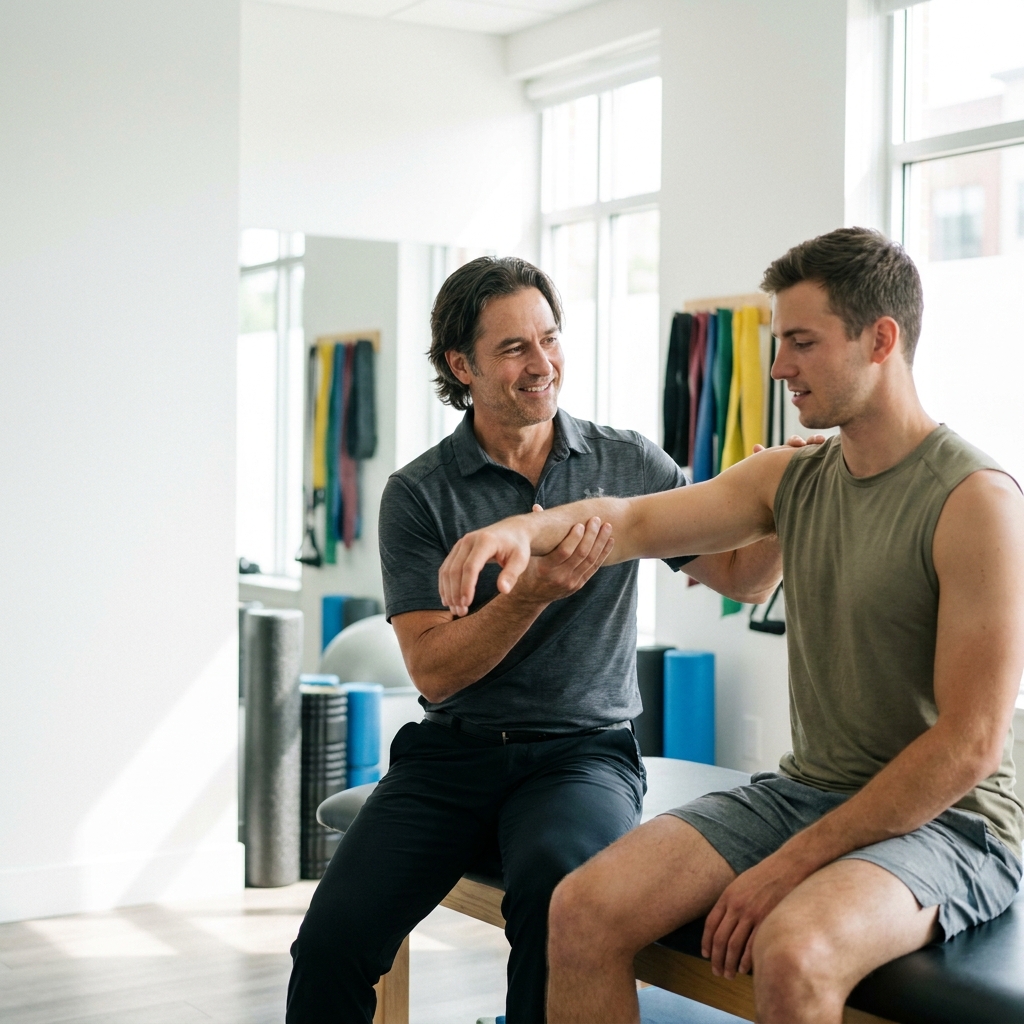
Role of Physical Therapy
Physical therapy emphasizes restoring function rather than altering foot shape. Typical treatments include:
- Intrinsic foot muscle strengthening: Targets minor muscles within the foot that bolster the arch.
- Posterior tibial tendon loading: Particularly crucial for individuals with acquired flatfoot.
- Calf and ankle mobility work: Addresses tightness and restricted range that contribute to overpronation.
- Hip and glute strengthening: Alleviates compensatory load on the knee and lower back.
- Gait retraining: Corrects movement patterns that have developed due to compensation.
When to Seek Professional Help
Most flat foot-related pain is manageable with conservative treatment. However, professional evaluation is essential if you observe rapid changes in arch height or endure severe, persistent pain. Children’s flat feet should always be professionally assessed.
Conclusion
Flat feet are not inherently problematic. The primary focus should be on addressing pain and compensatory strain. The ultimate goal is to enhance body movement and eliminate limitations caused by foot pain. At Fick Physical Therapy and Sports Performance, our specialists assist adults in identifying the underlying causes of their pain and restoring function through targeted treatment.
“We Empower You To Recover From Injury As Quickly And Safely As Possible In Order To Optimize Your Function And Maximize Your Athletic Potential.”
Contact us today at (720) 480-2866 to schedule your evaluation and discover what’s driving your symptoms and what can be done about it.