Introduction
As we joyfully bid farewell to New York’s unpredictable winter, athletes eagerly lace up their sneakers and return to the invigorating world of outdoor activities such as running, soccer, tennis, baseball, and lacrosse. These beloved spring sports are not only a great way to stay active but also provide an opportunity to enjoy the fresh air and renew one’s athletic vigor. However, the sudden surge in physical activity post-winter can often lead to a notable increase in sports-related injuries. At ProClinix, we frequently encounter numerous injuries as athletes transition back into their training routines. Understanding these injuries, and addressing them promptly, can empower athletes to recover swiftly and safely return to their favorite sports. Here’s an in-depth exploration of some common spring sports injuries and how physical therapy can be a crucial ally in preventing them.
Ankle Sprains
Understanding Ankle Sprains
Ankle sprains rank among the most prevalent sports injuries, especially in activities that involve cutting, pivoting, or jumping, such as soccer, lacrosse, and basketball. These injuries occur when the ligaments that serve to stabilize the ankle are stretched beyond their limits or torn.
Prevention and Treatment
Physical therapy plays a pivotal role in the recovery process by focusing on restoring mobility, strengthening the muscles that support the ankle, and enhancing balance and proprioception to mitigate the risk of recurrent sprains. Early intervention is key to a successful recovery.
Knee Pain and Overuse Injuries
Causes and Symptoms
With the increase in running and jumping activities during the spring season, the knee joint often bears the brunt of added stress. Many athletes develop pain around the kneecap, commonly known as runner’s knee. Factors such as weakness in the hips and core, improper movement mechanics, and sudden spikes in training intensity can all contribute to knee pain.
Importance of Physical Therapy
Physical therapy addresses these underlying issues through targeted strengthening exercises, movement retraining, and effective load management, thereby reducing the incidence of knee injuries and enhancing athletic performance.
Shoulder Injuries in Throwing Sports
Challenges Faced by Athletes
Athletes involved in sports like baseball, softball, and tennis frequently experience shoulder discomfort due to repetitive overhead motions. These movements can place significant strain on the rotator cuff and surrounding structures, potentially leading to debilitating injuries.
Role of Physical Therapy
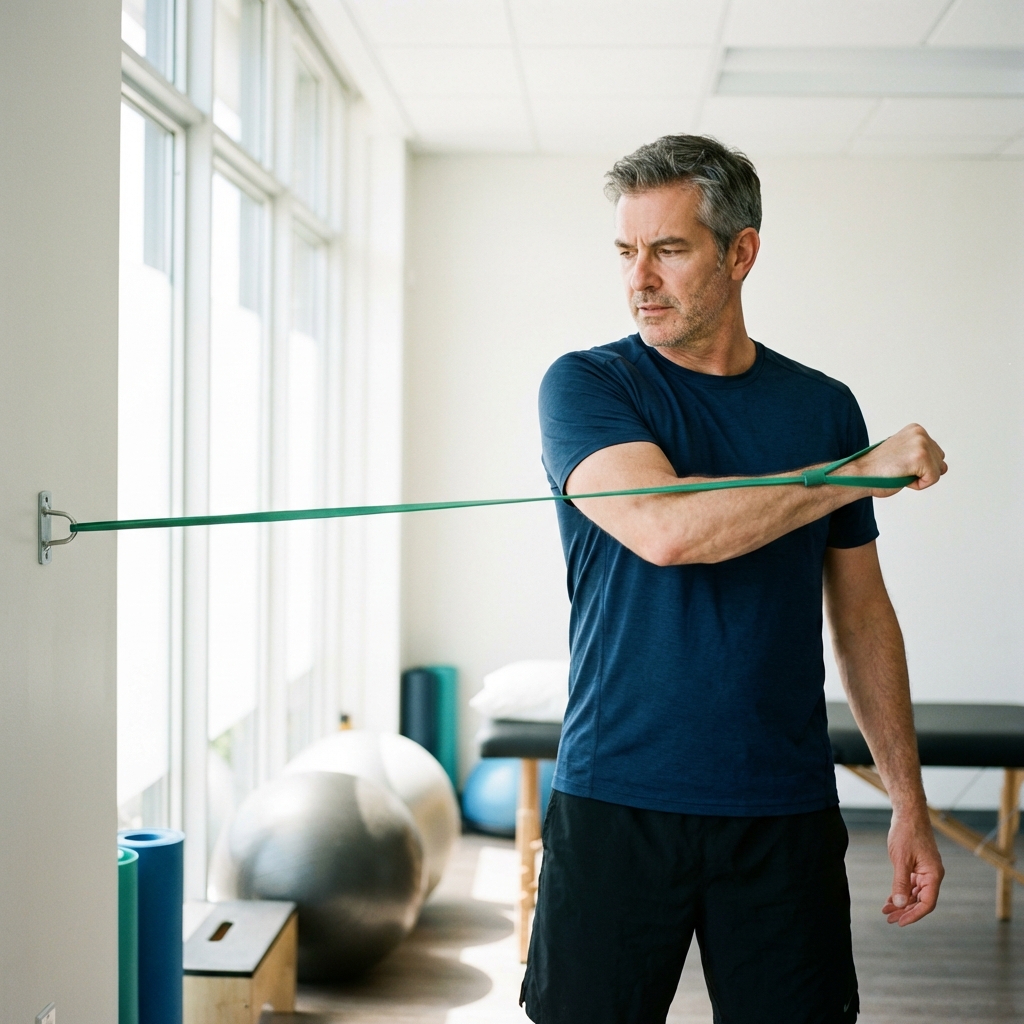
Early treatment is crucial. A skilled physical therapist can evaluate shoulder mobility, strength, and mechanics to develop a personalized rehabilitation program. This program is designed to ensure a safe return to throwing activities while preventing further irritation and injury.
Shin Splints
Identifying the Problem
Many runners enthusiastically resume outdoor training in the spring, sometimes increasing their mileage too quickly, which can lead to the development of shin splints. This condition causes pain along the inner edge of the lower leg and can hinder an athlete’s performance.
Effective Management
Treatment often includes activity modification, strengthening of the lower leg and hip muscles, and providing guidance on gradually returning to running. Proper training techniques and rest are essential to prevent recurrence.
Hamstring Strains
Risk Factors
Sports requiring sprinting and sudden acceleration—such as soccer and track—can significantly increase the risk of hamstring strains. These injuries usually occur when the muscles are tight, fatigued, or inadequately warmed up prior to activity.
Preventative Strategies
Physical therapy focuses on restoring flexibility, strengthening the hamstrings and gluteal muscles, and refining movement patterns to help prevent reinjury and enhance athletic capability.
How Physical Therapy Can Help
Comprehensive Approach
Physical therapy plays an indispensable role in both the treatment and prevention of sports injuries. A thorough evaluation allows physical therapists to identify contributing factors such as muscle imbalances, joint restrictions, and movement dysfunctions. Treatment plans may include:
- Targeted strengthening exercises
- Mobility and flexibility work
- Balance and stability training
- Sport-specific movement retraining
- Gradual return-to-sport programming
Don’t Ignore Early Symptoms
It’s not uncommon for athletes to attempt to push through pain early in the season. However, minor issues can rapidly escalate into major injuries if left untreated. If you are experiencing persistent pain, swelling, or decreased performance during spring sports, consulting with a physical therapist can help you recover safely and get back to the activities you enjoy. Don’t delay—reach out to us to book an appointment today and take the first step towards a healthier, more resilient sporting season.
“Prevention is better than cure, and with the right guidance, you can ensure an injury-free sports season.”
Conclusion
In conclusion, while the thrill of spring sports is undeniable, it is vital to be vigilant about potential injuries that may arise. By understanding the common injuries associated with spring sports and implementing preventive measures through physical therapy, athletes can enjoy a more fulfilling and less interrupted sporting season. Remember, the key to a successful athletic experience lies not only in performance but also in ensuring your body’s well-being. Let us be your partner in this journey towards a healthier and injury-free you.