Introduction to Late Specialization
In the dynamic realm of competitive sports, the concept of late specialization has increasingly captured the attention of coaches, athletes, and sports scientists alike. This innovative approach advocates for athletes to immerse themselves in a variety of sports during their formative years, rather than concentrating solely on a single discipline from an early age. This comprehensive article explores how late specialization has been pivotal in crafting the exceptional careers of some of the Winter Olympians we hold in high regard today.
The Journey of Winter Olympians
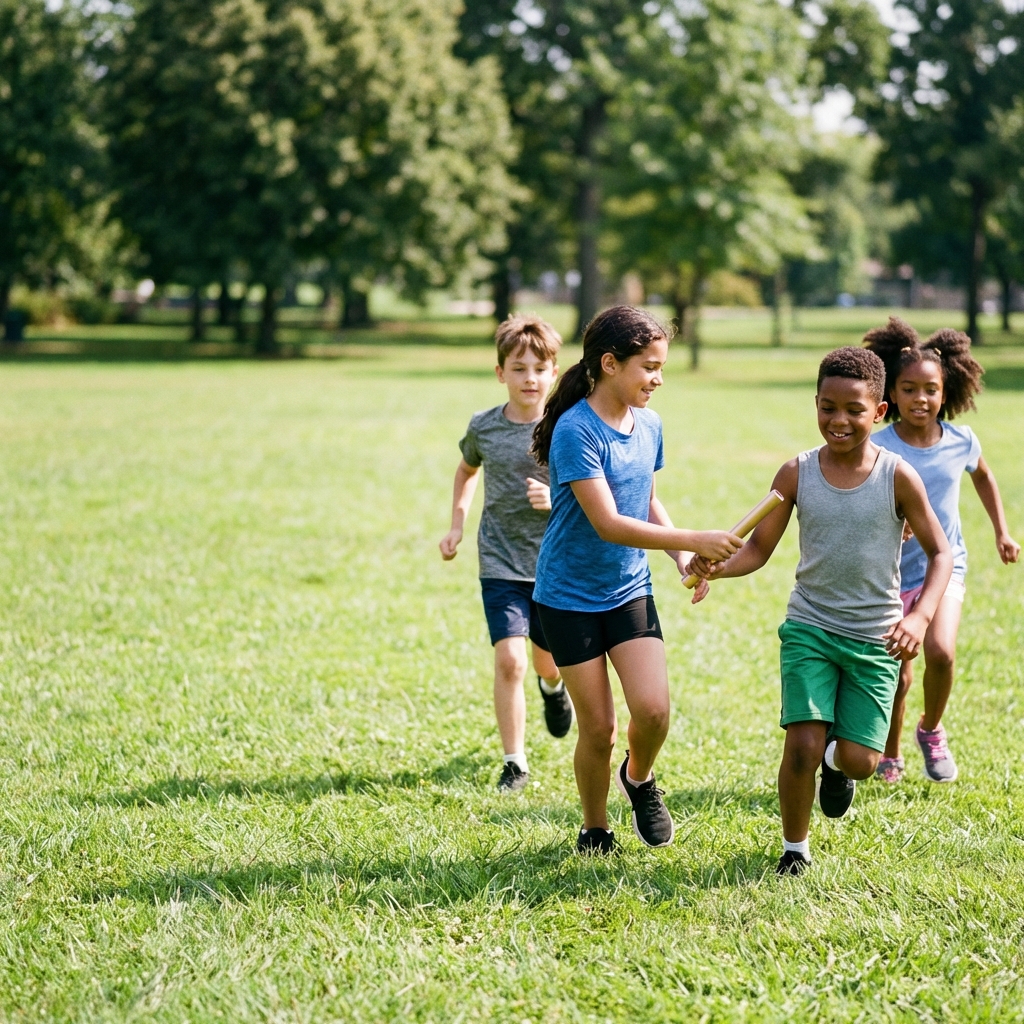
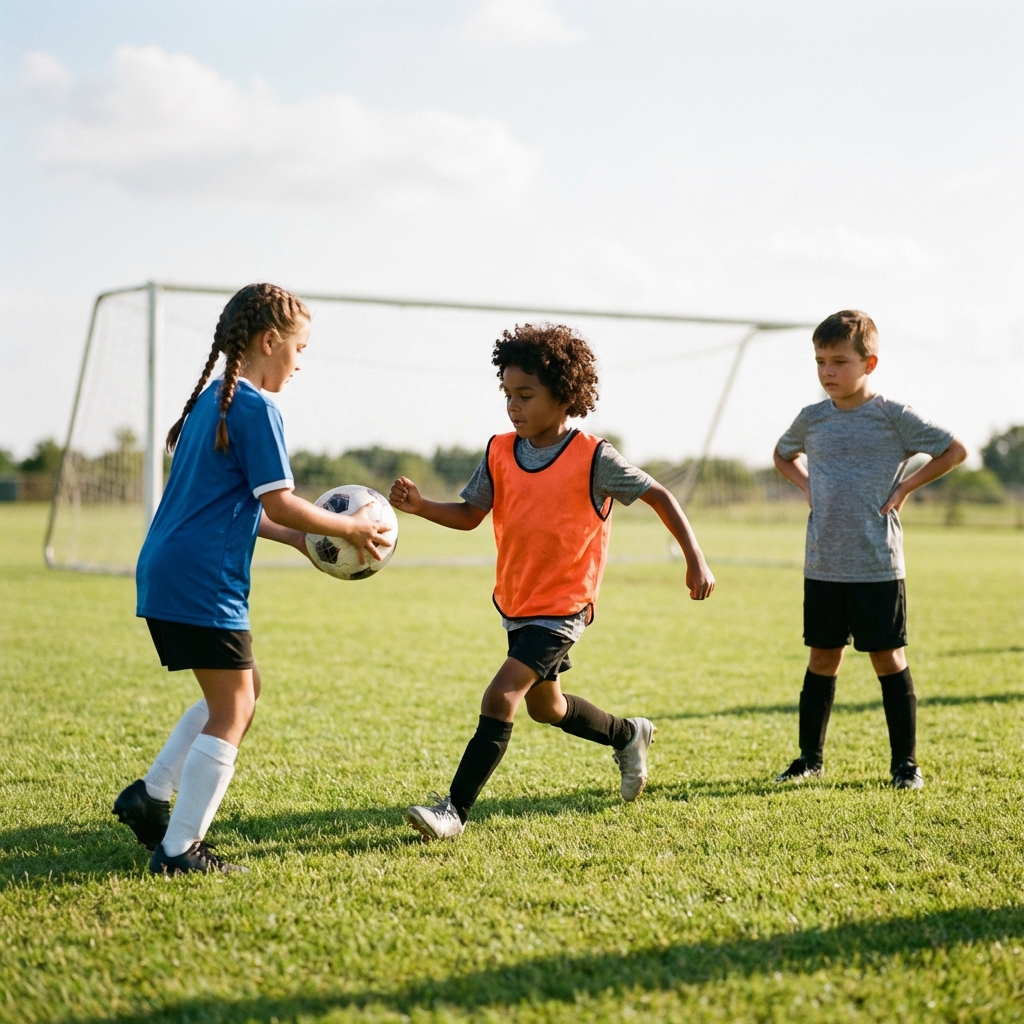
Many acclaimed Winter Olympians did not commence their athletic journeys with a singular focus on their eventual sport. Instead, they engaged in a diverse array of recreational sports that equipped them with a broad spectrum of athletic skills. These varied experiences not only instilled a profound love for sports but also constructed a robust foundation of physical literacy, which is crucial for success in any sporting arena.
Why Recreational Sports Matter
Recreational sports serve as a nurturing ground, offering a low-pressure environment where young athletes can freely explore their interests. These activities promote well-rounded development, enabling athletes to cultivate agility, coordination, and resilience — traits that are invaluable to any professional athlete’s toolkit.
The Science Behind Late Specialization
Extensive studies have shown that early specialization can often lead to burnout, overuse injuries, and a lack of transferable skills necessary for adapting to different sports. In stark contrast, late specialization empowers athletes to develop a diverse skill set, significantly enhancing their adaptability and problem-solving abilities on and off the field.
“Late specialization allows athletes to explore, adapt, and excel in sports by building a wide-ranging skill set.”
Success Stories of Legendary Olympians
The journeys of athletes like Michael Phelps, who participated in multiple sports before honing in on swimming, or Shaun White, who engaged in soccer and skateboarding prior to becoming a snowboarding icon, exemplify the efficacy of late specialization. Their stories serve as powerful testimonies to how varied early athletic experiences can pave the way for outstanding achievements in specialized arenas.
Recreational Activities That Benefit Olympians
- Soccer for building endurance and fostering teamwork
- Gymnastics for enhancing balance and flexibility
- Track and Field for developing speed and agility
Conclusion and Call to Action
In conclusion, the journey to becoming a Winter Olympian is rarely linear. By embracing the philosophy of late specialization and the myriad benefits of recreational sports, aspiring athletes can cultivate a rich, diverse athletic foundation that propels them towards unparalleled success. As parents, coaches, and sports enthusiasts, we must encourage young athletes to explore and enjoy a variety of sports, ensuring they develop both a love for athletic endeavors and a comprehensive skill set. Let’s nurture the next generation of Olympians by supporting late specialization and its proven benefits.