Introduction
Hockey is a sport that demands explosive power, rapid directional changes, and a skating stride that places significant stress on the hip and groin region. These physical demands create a predictable injury pattern that affects players at all levels, from youth leagues to professional teams. Groin strains are prevalent in hockey, accounting for approximately 10 to 15 percent of all injuries. These strains can become chronic and recurrent if not properly addressed. Understanding the connection between hip mobility and injury risk is crucial for both prevention and performance improvement.
Why Hockey Players Get Groin Strains
The skating stride in hockey requires powerful hip adduction, which places stress on the adductor muscles, commonly known as the groin muscles. Several factors contribute to the vulnerability of hockey players to groin strains:
- Extended periods in a flexed and slightly externally rotated position tend to tighten hip flexors.
- Explosive movements demand maximum contractions of the adductors.
- Contact and collisions often force legs into extreme positions.
- The weight and restriction of equipment can alter natural movement patterns.
Groin injuries typically occur when the adductor muscle or tendon is stretched beyond its capacity, often due to accumulated risk factors over time.
The Hip Mobility Connection
Limited hip mobility is a significant predictor of groin injury risk. When hips cannot move through their full range, the body compensates, leading to strain. Common mobility issues include:
- Tight hip flexors resulting from constant skating.
- Limited hip internal rotation capabilities.
- Restricted hip extension range.
- Tight hip adductors due to repetitive overuse.
These limitations create tight and weak muscles, unable to handle the full demands of motion, which can lead to strains during unexpected movements.
Assessing Your Hip Mobility
Several simple tests can help identify any hip mobility limitations:
- Hip Flexor Length Test: Lying on your back, pull one knee to your chest while allowing the other leg to hang down.
- Hip Internal Rotation: Sitting with knee bent at 90 degrees, rotate your lower leg outward.
- Butterfly Stretch: Sit with the soles of your feet together and press your knees toward the floor.
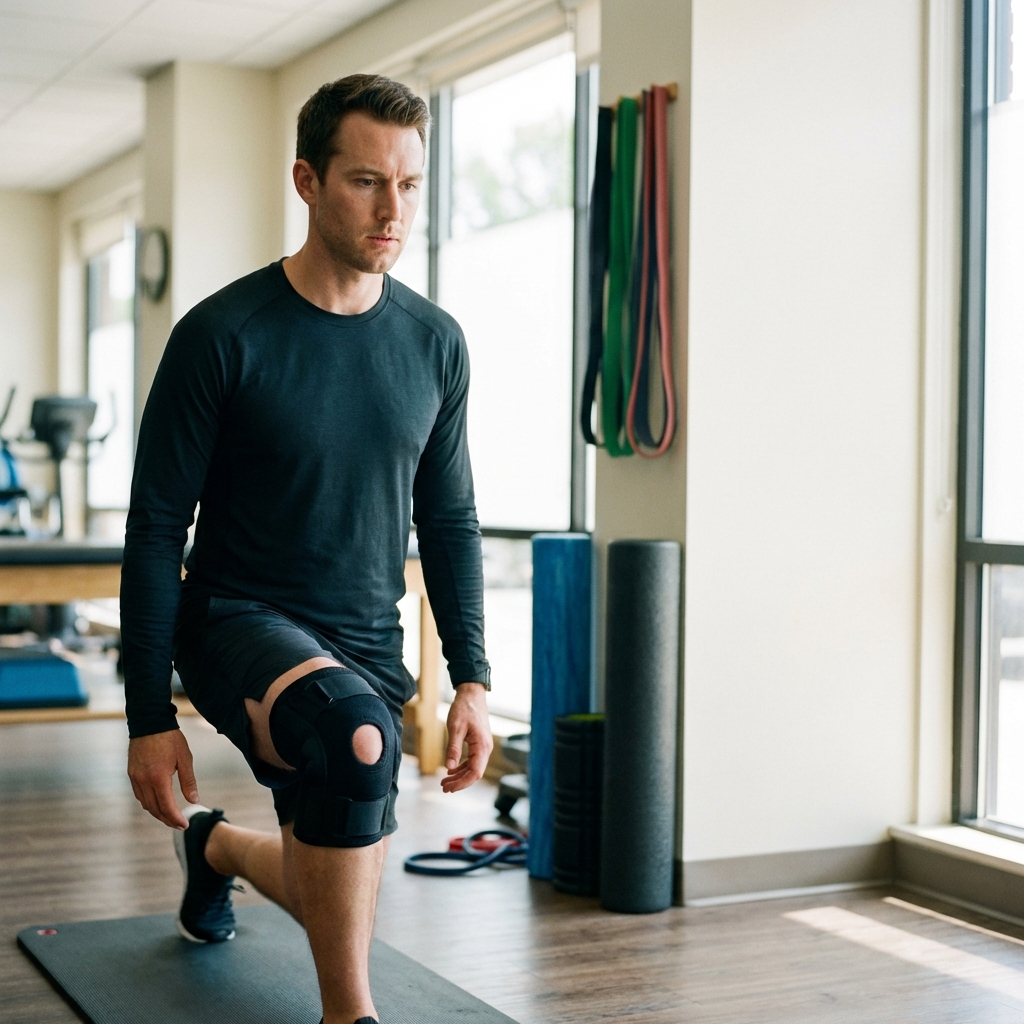
- Hip Extension Test: Perform a standing lunge with the back hip extending upright.
Significant limitations identified through these tests should be addressed promptly to prevent injury.
Building Groin Strength and Resilience
Strength is equally important in preventing groin strains. Key exercises include:
- Copenhagen Adductor Planks: Perform a side plank with the top leg elevated on a bench to target the adductors.
- Lateral Skater Lunges: Develop strength through skating-specific movements.
- Resistance Band Adduction: Strengthen adductors through full motion resistance training.
Progressive loading over time is crucial, with exercises performed 2-3 times per week during the off-season, and at least once weekly in-season.
The Role of Hip Abductor Strength
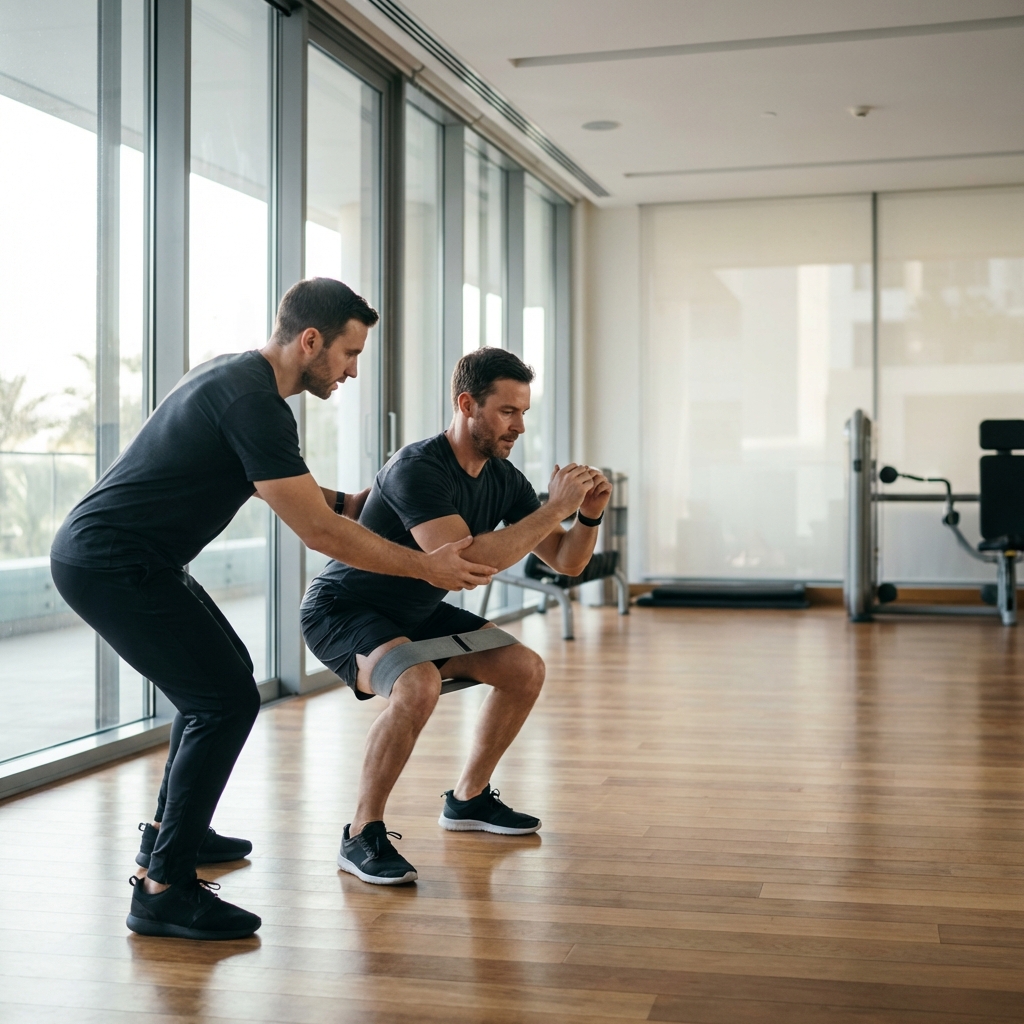
Weak hip abductors can increase the risk of adductor strain. Recommended exercises include:
- Lateral band walks to strengthen the hip abductors.
- Single-leg balance exercises to improve stability.
- Side-lying leg raises to enhance hip abductor strength.
Balanced hip strength ensures stable pelvis function during skating activities.
Dynamic Warm-Up for Groin Protection
A proper warm-up is essential, focusing on dynamic movements rather than static stretching. It should include:
- 5 minutes of light cardiovascular activity to increase heart rate.
- Dynamic hip mobility exercises to prepare the joints.
- Groin-specific activation exercises to target the adductors.
The warm-up should last 10-15 minutes, adequately preparing the body for intense physical activity.
Managing Training Load During the Season
Groin strains often occur when fatigue exceeds the body’s recovery capacity. Smart load management strategies include monitoring ice time, ensuring adequate rest days, and recognizing early warning signs of fatigue.
Treating Minor Groin Discomfort
Recognizing early signs of discomfort and addressing them can prevent serious injury. Strategies include reducing training intensity, increasing mobility work, and applying ice to manage any inflammation.
Off-Season Hip and Groin Preparation
The off-season is an ideal time to address mobility limitations, build strength, and correct any muscle imbalances through a comprehensive training program.
Professional Assessment and Treatment
A professional assessment provides objective measurements of mobility and strength, allowing for targeted interventions. Fick Physical Therapy And Sports Performance offers comprehensive assessments and sport-specific programs to help athletes reach their full potential.
“We Empower You To Recover From Injury As Quickly And Safely As Possible In Order To Optimize Your Function And Maximize Your Athletic Potential.”
Contact us at (720) 480-2866 for a hockey injury prevention assessment and take the first step towards securing your athletic future.