Introduction to Winter Sports Conditioning
With the ski season rapidly approaching, enthusiasts are gearing up to hit the slopes. While it’s crucial to have your skis waxed and equipment checked, the most vital preparation is ensuring that your body is primed for the challenges ahead. November serves as a pivotal month for conditioning, setting apart those who will glide effortlessly from those who might face avoidable setbacks.
Emergency rooms often witness a surge in ski-related injuries during the early weeks of the season, primarily affecting individuals who transition abruptly from inactivity to intense skiing without adequate preparation. The dynamic movements, required endurance, and balance inherent in skiing and snowboarding necessitate a specialized regimen that is best developed off the slopes.
Key Benefits of November Conditioning
The Importance of Early Preparation
Statistically, the first few hours on the mountain are the most injury-prone, particularly for those beginning their season. Muscles that are not conditioned can quickly become fatigued, increasing susceptibility to injuries. November conditioning is essential to build the muscular endurance needed to ensure safety throughout the ski day.
Understanding Sport-Specific Demands
Skiing and snowboarding impose specialized demands that generic fitness routines cannot address. From eccentric quadriceps strength for controlled descents to rotational core stability for maneuvers, each aspect of skiing requires a targeted approach to training.
Preventing Injuries with Proper Conditioning
Common injuries such as ACL tears, MCL sprains, and shoulder dislocations can be mitigated through thoughtful conditioning. Strengthening the muscles around joints, enhancing balance, and improving movement control under fatigue can significantly reduce injury risks.
Building Essential Strength for Skiers
Focus on Quadriceps and Glutes
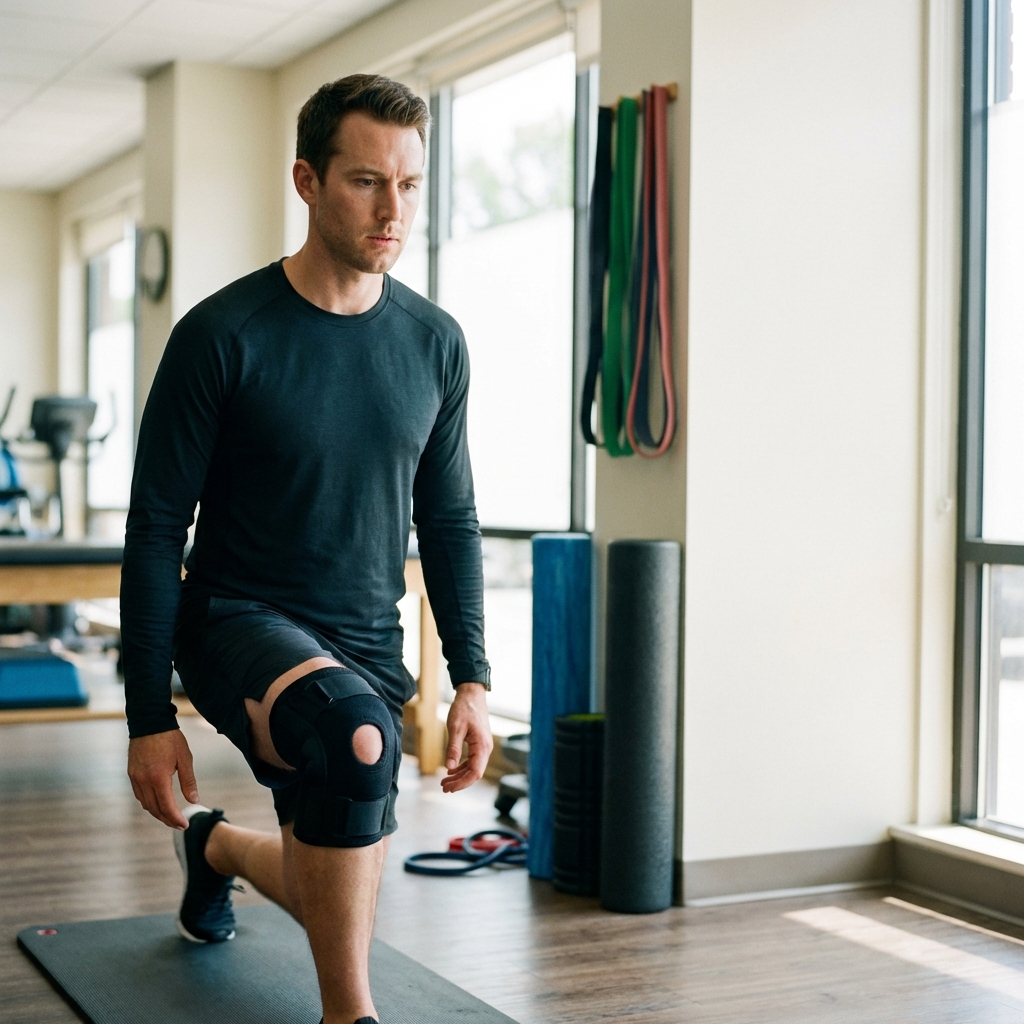
The quadriceps are central to skiing, controlling descents and absorbing forces. Incorporating exercises like Bulgarian split squats and single-leg step-downs in November can help build necessary strength. Similarly, exercises targeting the glutes are essential for hip stability and power.
Enhancing Core Stability
A strong core is vital for skiing, providing stability as the lower body moves. Exercises like Pallof presses and wood chops focus on anti-rotation and are crucial for maintaining a stable upper body on the slopes.
Strengthening Lower Legs and Ankles
Strong lower legs and ankles are the foundation for effective skiing. Exercises such as calf raises and ankle stability routines on balance boards are critical for the demands of the sport.
Improving Balance and Proprioception
Single-Leg and Dynamic Balance Training
Single-leg stability exercises, progressing from firm to unstable surfaces, are important for skiing. Dynamic balance training, including single-leg hops and lateral bounds, enhances the body’s ability to maintain stability during continuous movement.
Reaction Training for Unexpected Challenges
Quick reactions are essential for adapting to dynamic skiing conditions. Drills that incorporate unexpected movements, such as partner drills and agility ladder work, can significantly enhance reaction times.
Cardiovascular Conditioning for High Altitude
Developing an Aerobic Base
High-altitude skiing requires a strong aerobic base. Activities like cycling and running can help develop cardiovascular endurance, ensuring resilience on lengthy ski runs.
Implementing High-Intensity Interval Training
Interval training that mirrors the anaerobic demands of skiing can enhance performance. This includes short bursts of intense effort followed by recovery periods, ideal for preparing for the metabolic demands of the slopes.
Flexibility and Mobility for Injury Prevention
Effective skiing requires significant mobility, particularly in the hips and ankles. Routine flexibility exercises, including dynamic warm-ups, are essential for maintaining the ranges of motion needed for skiing.
Incorporating Sport-Specific Drills
Practicing movements that mimic skiing, such as wall sits and lateral hops, can help refine the skills required on the slopes. These exercises should be integrated into November routines for maximum benefit.
Get Mountain-Ready with Professional Guidance
The sports physical therapy specialists at Fick Physical Therapy And Sports Performance in Highlands Ranch, CO, offer comprehensive winter sports conditioning programs tailored to individual needs. Our experts understand skiing biomechanics, enabling them to create customized training protocols.
Ensure your ski season is safe and successful by scheduling a pre-season ski assessment. Call us today at (720) 480-2866 for a personalized conditioning program that prepares you for the slopes, minimizing injury risks and enhancing your skiing experience.