Introduction to Pain Management After Orthopedic Surgery
Undergoing orthopedic surgery can be a transformative decision for those suffering from chronic pain and mobility challenges. While this surgical intervention marks a significant milestone towards improved quality of life, the journey doesn’t end in the operating room. The post-operative period is critical, requiring strategic pain management to facilitate optimal recovery. By comprehending effective pain management strategies post-surgery, you empower yourself to navigate this crucial phase with confidence and resilience.
The Significance of Pain Management
Post-operative pain management is not just important; it is essential for a seamless and expedient recovery process. Uncontrolled pain can lead to prolonged hospital stays, heightened risks of complications, and delayed resumption of daily activities. Conversely, addressing pain proactively through physical therapy at ProClinix Sports Physical Therapy & Chiropractic can significantly reduce discomfort, expedite healing, and restore mobility quicker than anticipated.
Understanding Pain Post-Orthopedic Surgery
Pain following surgery is a natural bodily response to tissue trauma. Several factors influence the intensity and duration of post-surgical pain, including the nature and scope of the surgical procedure, the patient’s pain tolerance, and their overall health condition. It’s crucial to recognize that pain experiences vary widely among individuals, making a personalized approach to pain management indispensable.
Types of Post-Surgical Pain
- Acute Pain: The immediate pain felt right after surgery falls under this category. It is typically managed through a combination of medication and physical therapy, subsiding as the body begins to heal.
- Chronic Pain: Defined as persistent pain extending beyond 12 weeks, chronic pain requires ongoing management strategies and often involves a multi-modal approach.
Exploring Comprehensive Pain Management Strategies
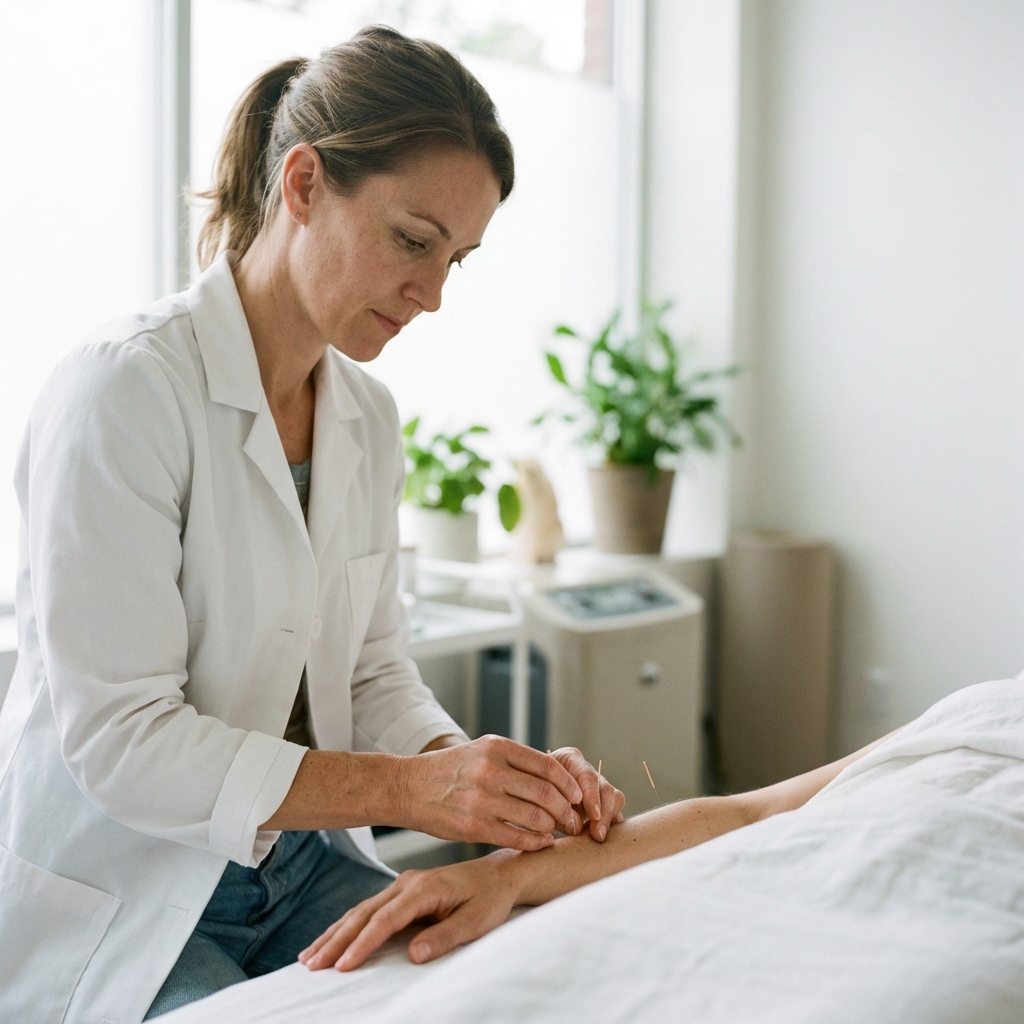
A holistic pain management plan post-surgery involves components such as swelling control, targeted stretching exercises, manual therapy, strengthening routines, and patient education. The overarching aim is to minimize dependency on medication and emphasize methods that foster natural healing and functional restoration.
The Role of Manual Therapy
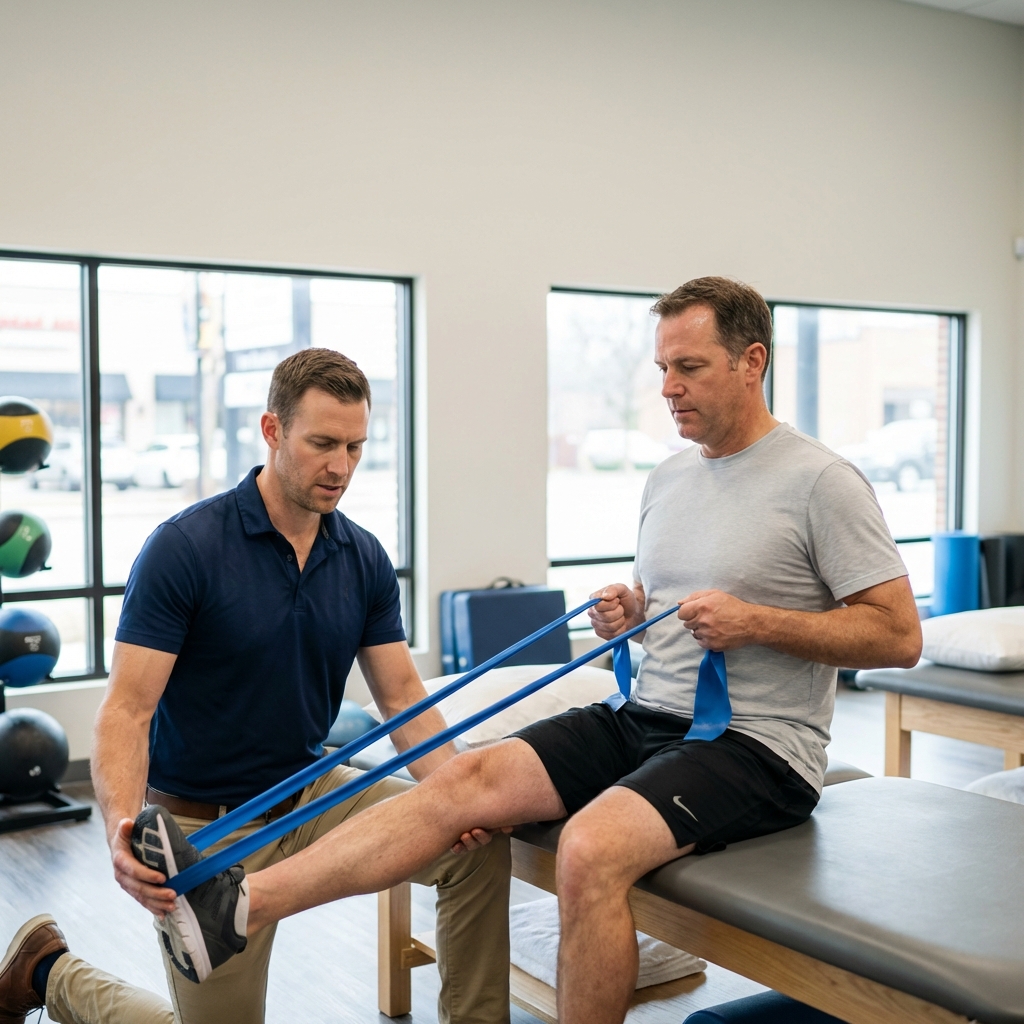
Our licensed physical therapists employ manual therapy techniques as a cornerstone of pain management and recovery. These hands-on techniques are integral in alleviating pain and enhancing the healing process.
Managing Swelling
Swelling is a prevalent cause of pain and stiffness after surgery. Techniques such as compression and elevation, along with the strategic use of ice, can effectively reduce swelling and relieve discomfort.
Restoring Mobility Through Exercise
Practicing stretches and range-of-motion exercises is vital for promoting movement without aggravating pain, thus facilitating the early recovery of functional mobility.
Strengthening for Support
Engaging in targeted exercises strengthens the muscles surrounding the affected area, offering additional support and stability.
The Importance of Patient Education
Gaining a comprehensive understanding of your condition, recovery process, and the significance of adhering to your treatment plan is pivotal for effective pain management. Maintaining open communication with your physical therapist ensures that any concerns or changes in pain levels are addressed promptly and effectively.
Conclusion: Taking Charge of Your Recovery
“While pain after orthopedic surgery is unavoidable, our therapists employ a variety of strategies for pain management to minimize discomfort and expedite recovery.”
By understanding the causes of post-surgical pain, exploring available management options, and recognizing the value of a multidisciplinary approach, you can actively participate in your rehabilitation journey. If you are approaching orthopedic surgery and have concerns about pain management, reach out to ProClinix Sports Physical Therapy & Chiropractic today. Our dedicated team of specialists is committed to crafting a personalized plan that focuses on regaining mobility and resuming daily activities with minimal discomfort. Don’t let apprehension about pain deter you from receiving the care you need.
Book an appointment today and embark on your path to a swift and successful recovery!