Introduction
The arrival of the winter sports season brings a wave of excitement for enthusiasts of skiing, snowboarding, hockey, and basketball. However, this thrilling time of year also comes with a heightened risk of ACL injuries. The anterior cruciate ligament is frequently compromised in winter sports, leading to potentially devastating consequences that can sideline athletes for extended periods ranging from 9 to 12 months, often necessitating extensive surgery and rehabilitation. The silver lining? Studies have shown that targeted prevention programs can reduce the risk of ACL injuries by up to 50 percent or more.
Understanding ACL Injury Risk in Winter Sports
Causes of ACL Injuries
ACL tears typically do not result from direct contact. Instead, they often occur during cutting movements, sudden deceleration, awkward landings from jumps, or pivoting maneuvers. These actions are prevalent in winter sports and contribute significantly to the risk. Skiing and snowboarding alone account for thousands of ACL injuries annually, while indoor winter sports like basketball and hockey experience peak injury rates during competitive seasons.
Impact on Female Athletes
Female athletes face a two to eight times higher risk of ACL injuries compared to males. This is due to anatomical differences, hormonal factors, and neuromuscular control patterns. Factors such as narrower intercondylar notches, wider pelvises affecting knee alignment, and a tendency towards knee-dominant movements rather than hip-dominant patterns contribute to this increased risk.
Key Prevention Strategy: Neuromuscular Training
Importance of Neuromuscular Control
The most effective ACL injury prevention programs focus on neuromuscular training, which teaches the body to control knee position during dynamic movements. Athletes with poor neuromuscular control often exhibit “knee valgus,” a condition where the knee collapses inward during landing or cutting, placing dangerous stress on the ACL.
Training Techniques
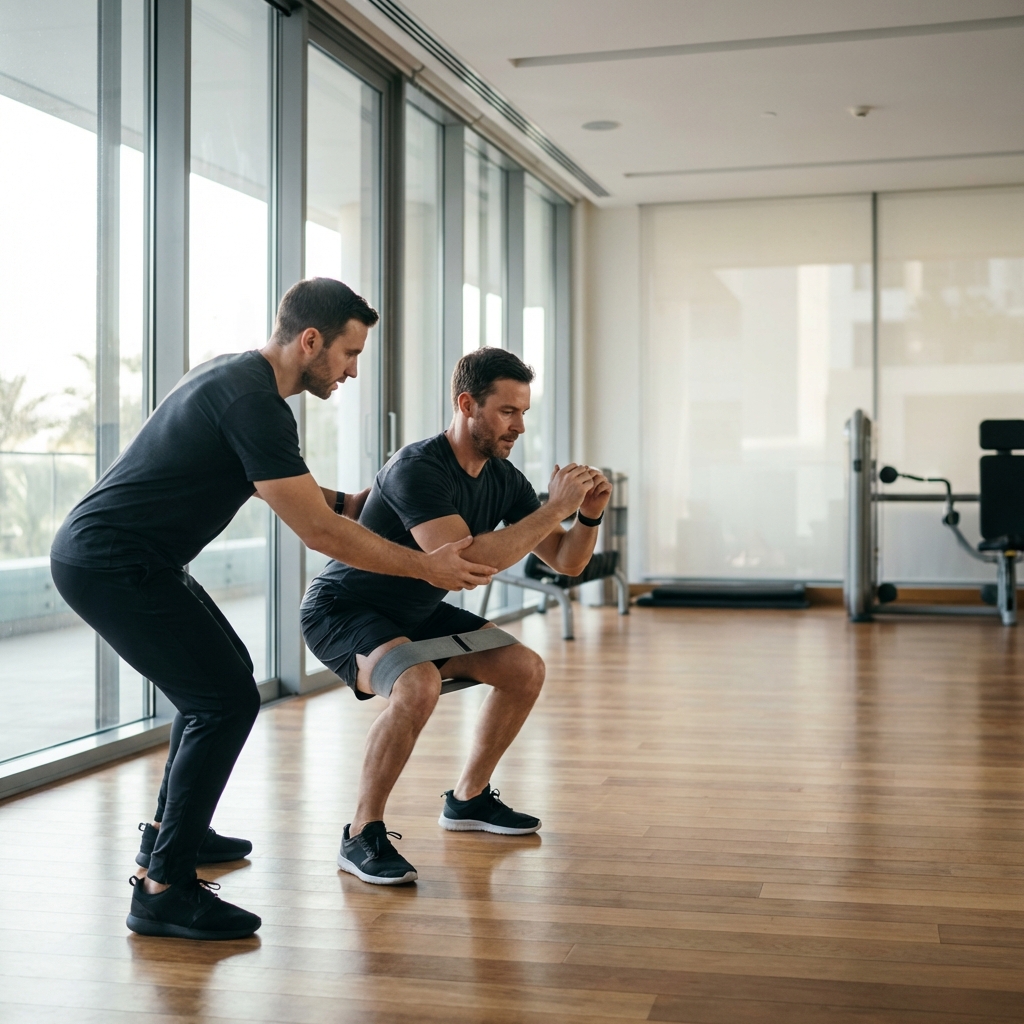
Prevention training emphasizes proper landing mechanics, ensuring knees track over toes, and promoting the simultaneous bending of hips and knees to absorb force. Athletes are encouraged to avoid stiff-legged landings, a common factor in ACL injuries. Through plyometric exercises, balance challenges, and sport-specific drills, athletes practice these patterns until correct movements become second nature, even when fatigued or under competitive pressure.
Strengthen the Posterior Chain
The Role of Hamstrings and Glutes
Strong hamstrings and glutes are crucial allies of the ACL. These muscles counteract the quadriceps’ force, protecting the ACL from excessive anterior tibial translation, which is the forward sliding of the shin bone that can tear the ligament. Many athletes exhibit quad-dominant strength patterns that heighten injury risk.
- Nordic hamstring curls
- Romanian deadlifts
- Single-leg bridges
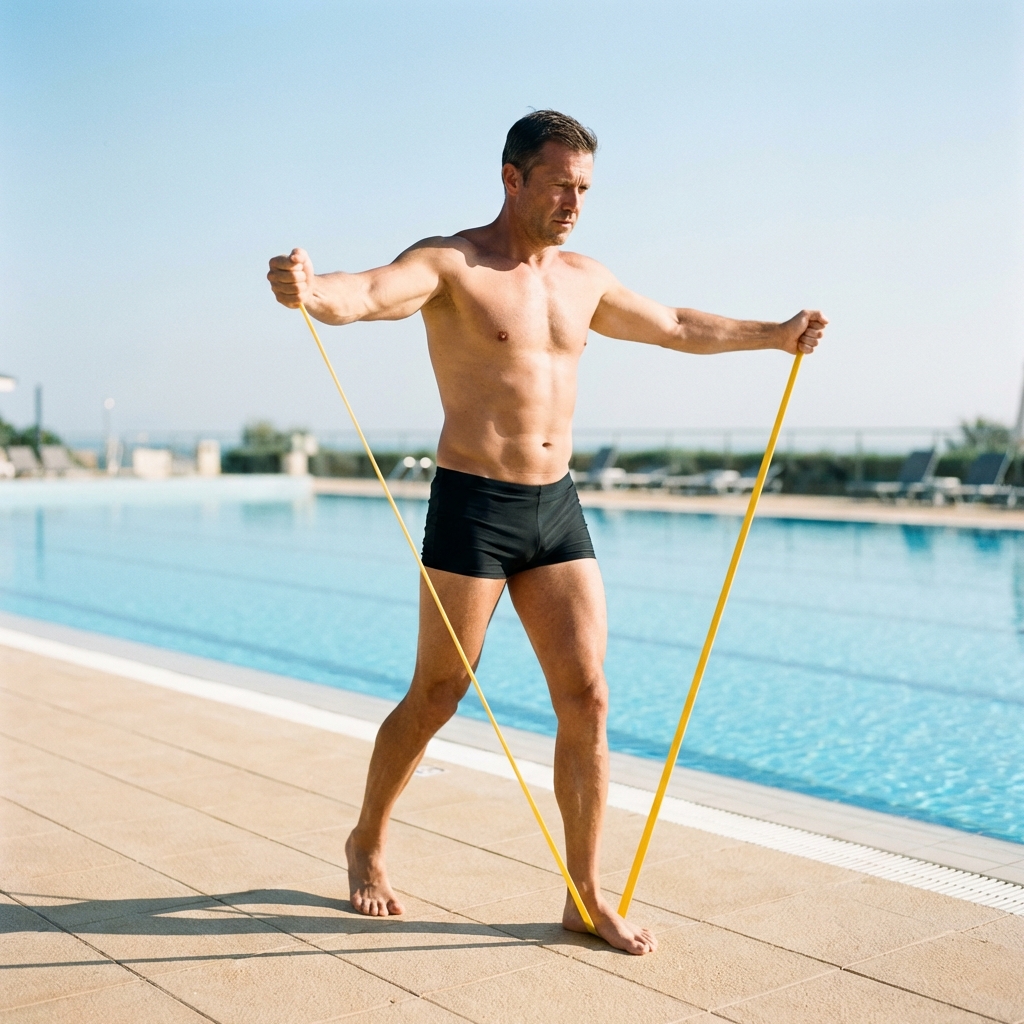
- Lateral band walks
Incorporating these exercises into training is vital. Aim for a hamstring-to-quadriceps strength ratio of at least 0.6 to 0.8, ensuring your hamstrings are 60 to 80 percent as strong as your quadriceps.
Balance and Proprioception Work
Enhancing Joint Stability
Your ability to sense joint position and react to unstable surfaces plays a significant role in ACL injury prevention. Balance training enhances rapid muscle activation patterns that stabilize your knee during unexpected perturbations, such as hitting an icy patch while skiing or landing on another player’s foot in basketball.
- Single-leg balance exercises on unstable surfaces
- Wobble board training
- Sport-specific agility drills with sudden direction changes
Progression in these exercises should move from static to dynamic, slow to fast, and stable to unstable as control improves.
Pre-Season Preparation Is Critical
Building Endurance and Strength
Entering the winter sports season without adequate physical preparation significantly increases injury risk. Fatigued muscles cannot effectively protect joints, leaving athletes who haven’t built sport-specific strength and endurance vulnerable throughout the season.
It is crucial to begin ACL prevention training at least six to eight weeks before the season starts. Consistency is more important than intensity, as research indicates that prevention programs are most effective when performed two to three times weekly throughout the entire season, not just during the preseason.
Professional Assessment and Injury Prevention Programs
Tailored Prevention Strategies
While general strengthening is beneficial, personalized ACL injury prevention programs based on individual movement patterns and risk factors are most effective. Biomechanical assessments can identify hazardous movement tendencies before they result in injury.
“We Empower You To Recover From Injury As Quickly And Safely As Possible In Order To Optimize Your Function And Maximize Your Athletic Potential.”
The sports physical therapy specialists at Fick Physical Therapy And Sports Performance in Highlands Ranch, CO provide comprehensive ACL injury risk screenings and prevention programs designed specifically for winter sports athletes. We analyze your movement mechanics, identify weakness or imbalance patterns, and create targeted training protocols that address your individual risk factors.
Don’t wait for an injury to take you out of the sport you love. Call us today at (720) 480-2866 to schedule your pre-season ACL injury prevention assessment. Our physical therapists will evaluate your movement quality, strength balance, and neuromuscular control, then design a personalized prevention program that significantly reduces your injury risk and helps you perform at your best all season long!
Conclusion
Invest in Your Health and Performance
Ensure your winter sports season is both safe and enjoyable by taking proactive measures to prevent ACL injuries. Invest in prevention training, understand your risks, and seek professional assessments to enhance your performance and keep you on the slopes or court all season long. Prioritizing these steps not only safeguards your health but also contributes to a more rewarding athletic experience.