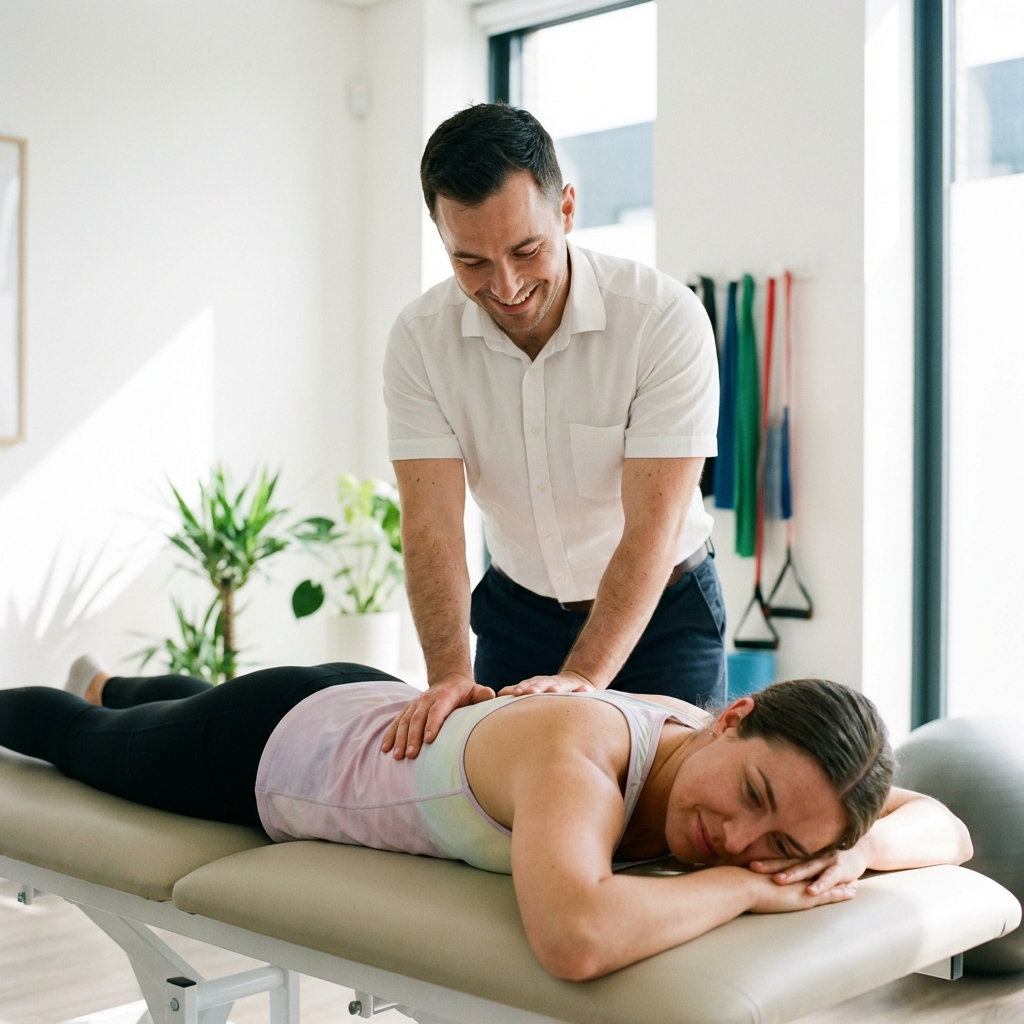
Introduction to Back Pain Rehabilitation
Back pain is an ailment that plagues a vast number of adults, turning everyday activities into challenging tasks. Despite the plethora of treatments and advice available online, the journey to full recovery remains elusive for many. Why is this the case? It’s primarily because nearly 90% of individuals dealing with back pain inadvertently commit the same three errors during their rehabilitation process. Having treated thousands of clients with chronic back pain, I have witnessed these pitfalls firsthand. The silver lining? By steering clear of these mistakes, you can accelerate your journey to recovery, making it smoother and more lasting.
Key Mistakes in Back Pain Rehabilitation
Mistake #1: Waiting for Complete Pain Relief Before Movement
The most prevalent and detrimental mistake is waiting for the pain to completely subside before resuming movement. It seems logical to think that being pain-free is a prerequisite for activity, but this belief is actually counterproductive. Pain should be seen as feedback, not a stop sign. Ceasing all movement can lead to stiffness, weakness, and an increased fear of movement, ultimately prolonging the recovery period.
“Pain is feedback—not a stop sign.”
Consider Mark, a 47-year-old avid runner who injured his back while putting on his shoes. He decided to rest for several weeks, hoping the pain would dissipate. By the time he sought treatment, his injury had technically healed, but his body was deconditioned and more susceptible to further injury. The solution? Engage in early, smart movement. Safe, controlled activities enhance blood flow, rebuild confidence, and can actually expedite healing.
Mistake #2: Focusing Solely on the Painful Area
Another common misconception is that back pain signifies an issue with the back itself. This leads individuals to stretch, ice, or massage the affected area, or perhaps apply a heat patch or opt for chiropractic care. However, the truth is that the site of pain is often not the source of the problem. Back pain may originate from tight hips, weak glutes, poor breathing mechanics, stress, or inadequate sleep. Addressing only the painful area is akin to applying a Band-Aid to a deeper wound.
“The site of pain is often not the source.”
Take Sarah, a desk worker in her 30s who endured persistent low back pain. We never focused on stretching her back. Instead, we addressed her hip tightness, strengthened her glutes, and improved her breathing. Her discomfort diminished significantly within a few sessions. For lasting relief, it is crucial to address the root cause rather than merely treating the symptom.
Mistake #3: Depending Solely on Passive Treatments
While massage, chiropractic care, injections, and electrical stimulation can provide temporary relief, they are inherently passive treatments. They fail to teach the body how to move again, rebuild strength, or recondition the nervous system to feel secure during movement.
“Passive treatments can support recovery, but they’re not the solution on their own.”
These passive methods may aid your recovery journey, but they should not be the sole strategy. Effective back pain rehabilitation necessitates active rehab: targeted strength training for the core, hips, and stabilizers, combined with guided movement retraining. Without incorporating these elements, recovery becomes mere management rather than true healing.
Recap: Essential Mistakes to Avoid
- Avoid relying solely on passive care. Active rehab is crucial for long-term healing.
- Do not wait for complete pain relief before resuming activity. Engage in safe, guided movement early on.
- Do not focus solely on the painful area. Identify and address the root cause, often located elsewhere in the body.
Conclusion: Your Path to Recovery
By understanding and avoiding these common mistakes, you empower yourself to embark on a more effective recovery journey. Should you have any questions or require further assistance, please do not hesitate to reach out to us at TeamSP@SportsPerformancePT.com.
Interested in learning more about how we can assist you? Begin with a FREE discovery phone call to explore your options.
Considering Physical Therapy at Sports Performance? Click here for more details. Additionally, check out our Podcast episode 141 on improving long-term health and wellness: CLICK HERE.
Stay Connected
Stay engaged with us and receive valuable insights from Dr. Chris, Physical Therapist. Subscribe to our blog and receive a FREE E-Book as a welcome gift. Use the subscription form below to get weekly health tips delivered directly to your inbox.
- Follow us on Instagram: CLICK HERE
- Connect with us on Facebook: CLICK HERE
- Watch our YouTube videos: CLICK HERE
- Listen to our Podcast: CLICK HERE
To receive SMS updates, you may opt in for text messages from Sports Performance. Message and data rates may apply. Reply STOP to opt out. Detailed terms and privacy policy are available at www.sportsperformancept.com/terms-of-use/ and www.sportsperformancept.com/privacy-policy/.