Introduction
Knee osteoarthritis is a prevalent condition that afflicts numerous individuals, particularly as they age. Despite the intuitive reaction to rest a painful knee, studies indicate that maintaining an active lifestyle is one of the most effective strategies for managing this condition. Understanding the intricacies of knee osteoarthritis can empower you to take charge of your health.
Understanding Knee Osteoarthritis
Beyond Wear and Tear
While osteoarthritis is commonly referred to as a condition of wear and tear, it is actually a complex disease affecting the entire joint—comprising cartilage, bone, and the surrounding muscles and ligaments. This condition is not solely about mechanical erosion but involves intricate metabolic and inflammatory processes that require comprehensive management.
The Role of X-Rays
Although X-rays are often used to depict joint changes, they do not reliably predict pain levels or functional capacity. Effective treatment should focus on overall joint health and strength rather than solely relying on imaging results.
Pain vs. Damage
It’s essential to differentiate between pain and actual joint damage. Pain can be influenced by various factors, including inflammation and muscle fatigue, and it does not necessarily indicate joint damage. Understanding this distinction is crucial in managing knee osteoarthritis effectively.
The Importance of Activity
Avoiding the Deconditioning Spiral
Prolonged rest can lead to muscle weakening, increased joint stress, and a vicious cycle of increased pain and reduced activity. Staying active can help disrupt this cycle, promoting muscle health and joint resilience.
Weight Management
Maintaining a healthy weight is vital, as excess weight can exacerbate stress on the knee joint. Regular exercise plays a pivotal role in weight management, subsequently reducing joint stress and enhancing overall joint health.
Exercise as an Anti-Inflammatory
Engaging in regular exercise confers anti-inflammatory benefits, reducing pain and enhancing joint function. This underscores the importance of staying active to manage knee osteoarthritis effectively.
Effective Exercises for Knee Osteoarthritis
Quadriceps Strengthening
Strengthening the quadriceps is crucial for alleviating knee pain and improving functional capacity. Incorporating targeted exercises can significantly enhance knee stability and pain management.
Hip and Glute Strengthening
Strengthening the hip and glute muscles is instrumental in improving knee alignment and reducing pain. These exercises contribute to a more balanced and supportive musculoskeletal structure.
Low-Impact Aerobic Exercise
Engaging in low-impact aerobic activities such as walking, cycling, and swimming can effectively maintain joint health without imposing excessive stress. These exercises are gentle yet effective, promoting mobility and reducing stiffness.
Movement Variety and Daily Activity
Incorporating regular movement breaks throughout the day helps minimize stiffness and alleviate pain. Adopting a varied exercise routine can enhance joint flexibility and overall well-being.
The Role of Physical Therapy
Individualized Programming
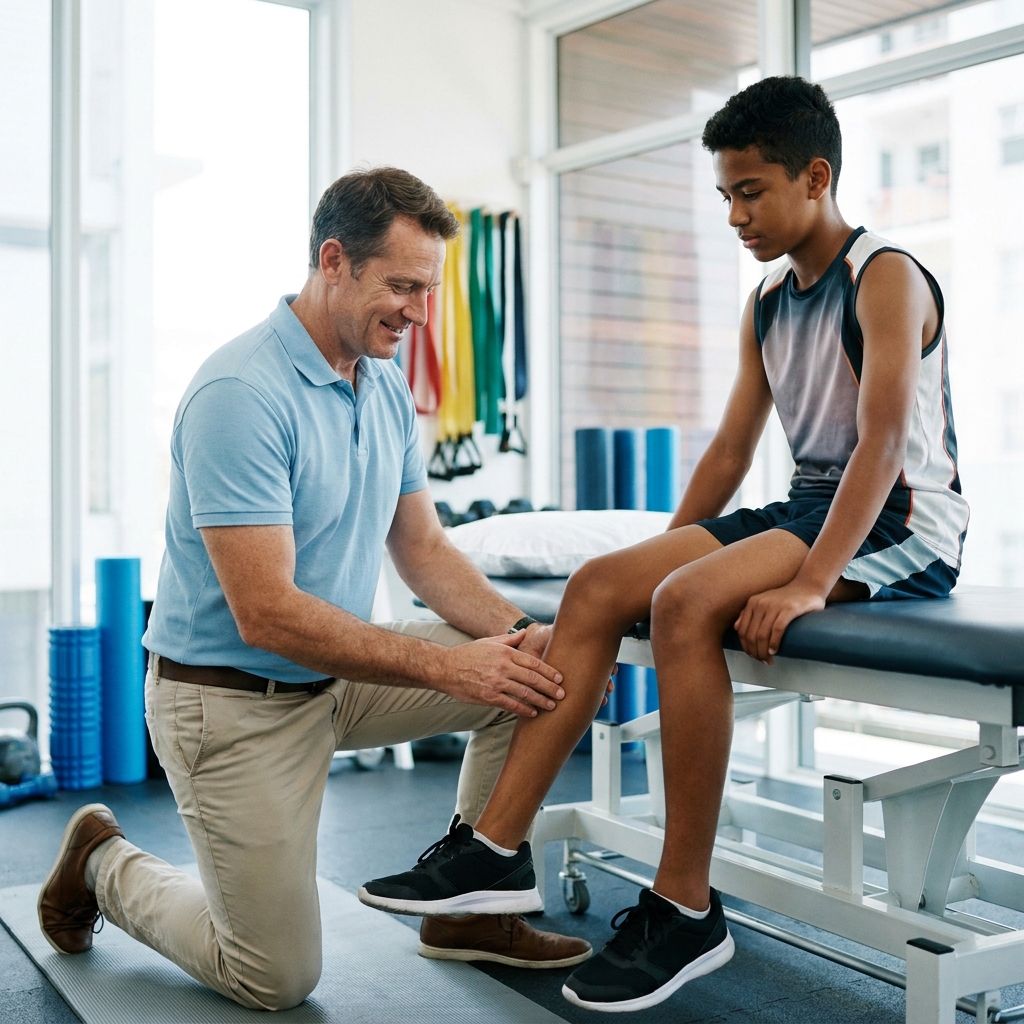
A physical therapist can design a customized exercise program tailored to your specific needs, ensuring optimal outcomes. This individualized approach is crucial in addressing the unique challenges posed by knee osteoarthritis.
Pain Management Guidance
Therapists offer guidance on acceptable pain levels during exercise, helping to prevent disuse and further pain. This professional support is integral in fostering a sustainable exercise regimen.
Manual Therapy
Manual therapy techniques, such as joint mobilization, can improve range of motion and alleviate pain. These interventions are valuable components of a comprehensive osteoarthritis management plan.
When Surgery is Necessary
Knee Replacement Timing
Surgery is generally considered a last resort, pursued after conservative treatments like exercise have been exhausted. Many individuals successfully manage knee osteoarthritis without resorting to surgical interventions.
Post-Surgery Exercise
Exercise remains crucial even after surgery to ensure successful recovery and long-term joint health. Continuing an active lifestyle post-surgery can significantly enhance rehabilitation outcomes and joint longevity.
Conclusion
Staying active is fundamental to managing knee osteoarthritis effectively. By avoiding prolonged rest and embracing a structured exercise program, individuals can experience improved outcomes and reduced pain.
Your knee needs movement, not protection. Embrace exercise to maintain your joint health.
Contact the specialists at Fick Physical Therapy and Sports Performance for a comprehensive assessment and exercise program tailored to your needs. Empower yourself with the knowledge and tools to effectively manage knee osteoarthritis.