Introduction
Basketball is celebrated for its thrilling intensity and dynamic play. It demands explosive jumping, rapid directional changes, intense contact with opponents, and repetitive overhead motions. These physical demands contribute to a predictable pattern of injuries that affect players at every level, from enthusiastic youth leagues to elite professional teams. The most prevalent injuries are ankle sprains, knee injuries, and shoulder problems. However, through commitment to targeted prevention programs, players can significantly reduce the risk of these injuries with proper preparation and ongoing maintenance throughout the season.
Ankle Injuries: The Most Common Basketball Problem
Accounting for nearly 40 percent of all basketball-related injuries, ankle sprains are the most frequent affliction in the sport. The continuous jumping, landing, cutting, and player contact create numerous opportunities for ankle trauma. Typical scenarios include landing on another player’s foot, rolling the ankle during a cut, or awkward landings from a rebound or shot.
Prevention Strategies
Preventing ankle injuries begins with strengthening and proprioception training. Exercises that challenge balance on unstable surfaces, single-leg exercises, and plyometric training are crucial. Many players also benefit from ankle bracing or taping, especially those with a history of sprains. Modern braces provide necessary support while allowing normal movement, contributing to a safer playing experience.
Knee Injuries: From Minor to Season-Ending
Basketball players face a range of knee injuries, from the minor discomfort of patellar tendinitis to the life-altering severity of ACL tears. The knee bears enormous forces during play, making it especially vulnerable to injury from jumping, landing, cutting, and contact.
Prevention Strategies
ACL injury prevention programs focus on neuromuscular training, which teaches proper landing mechanics and movement patterns. Key elements include bending knees while landing, engaging hip and glute muscles, building hamstring strength, and maintaining proper mechanics even when fatigued. Consistent implementation of these programs can reduce ACL injuries by 50 to 70 percent, making them an essential component of any player’s training regimen.
Shoulder Injuries: The Overhead Athlete’s Challenge
While less common than ankle and knee injuries, shoulder problems can significantly impact basketball players, particularly those who shoot frequently or play aggressive defense. Common issues include rotator cuff tendinitis and impingement, which can severely limit a player’s performance.
Prevention Strategies
Effective prevention requires balanced shoulder strengthening, proper shooting mechanics, and adequate recovery time. Players should address early warning signs like shoulder pain or stiffness promptly to prevent the progression to more serious injuries. Regular consultation with a sports physical therapist can also aid in maintaining shoulder health.
The Role of Proper Warm-Up and Cool-Down
Adequate warm-up and cool-down routines are crucial for injury prevention. A proper warm-up should include light cardiovascular activity, dynamic stretching, and sport-specific movements that prepare the body for the demands of the game. Cool-down should involve light activity, static stretching, and recovery techniques like foam rolling to aid in muscle relaxation and injury prevention.
Managing Training Load and Recovery
Managing training load and ensuring adequate recovery are essential for preventing overuse injuries. Players need sufficient rest days, should avoid high-intensity training close to games, and must listen to their bodies to prevent excessive strain. Sleep is critical, as insufficient sleep significantly increases the risk of injury. Prioritizing rest and recovery can enhance performance and longevity in the sport.
Strength Training Beyond the Court
Strength training complements basketball practice by building the strength and stability needed to prevent injuries. Focus should be on compound lower body exercises, single-leg exercises, posterior chain work, core strengthening, and upper body pulling exercises. Consistent strength training is key to achieving optimal physical condition and enhancing overall athletic performance.
Recognizing When to Seek Help
Players should seek professional help for persistent pain, joint swelling, decreased performance, altered movement patterns, or any sudden pain during activity. Early intervention can prevent minor issues from escalating into serious injuries, ensuring that players remain healthy and competitive.
Professional Sports Physical Therapy
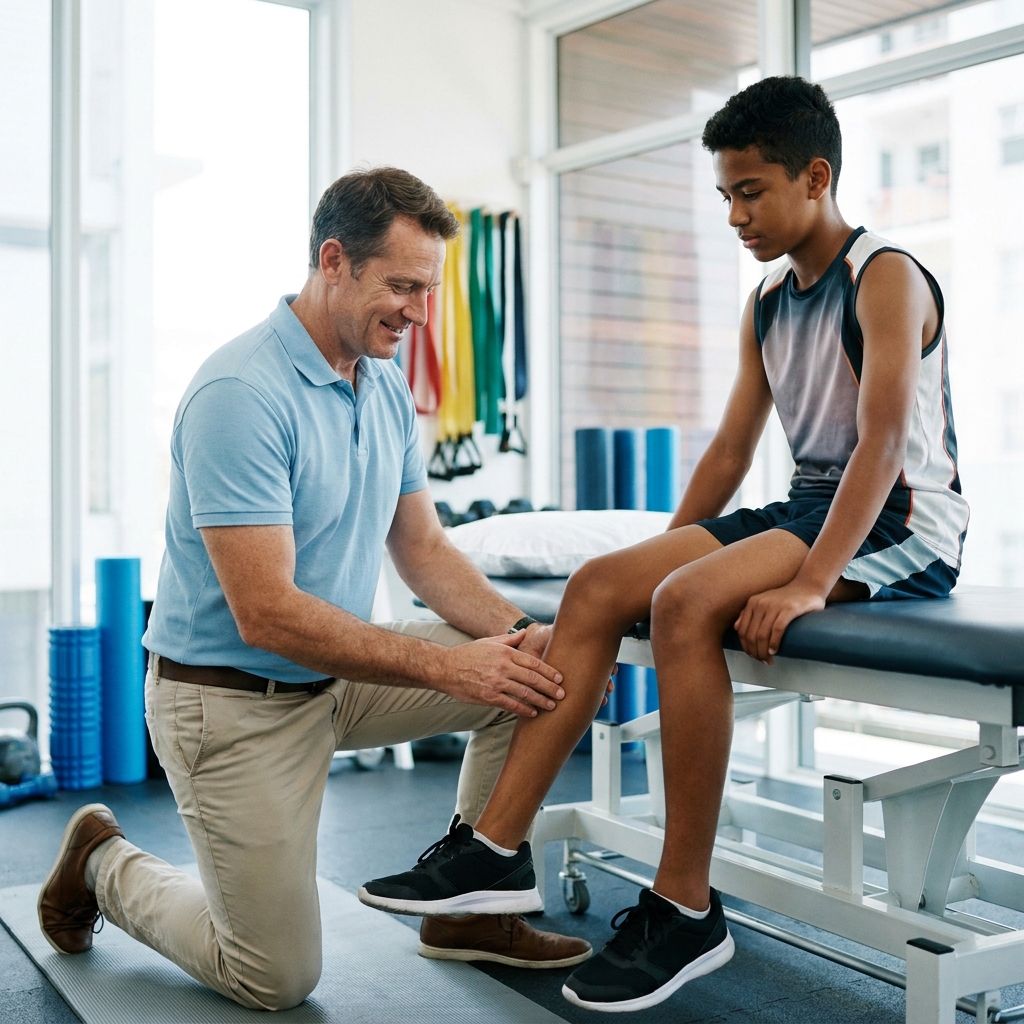
Consulting with sports physical therapists who understand basketball’s unique demands can optimize performance and longevity. Fick Physical Therapy and Sports Performance offers specialized care to prevent and treat basketball injuries. They provide comprehensive movement screenings, create injury prevention programs, and design return-to-play protocols tailored to each athlete’s needs.
“We empower you to recover from injury as quickly and safely as possible in order to optimize your function and maximize your athletic potential.”
Contact Fick Physical Therapy at (720) 480-2866 to schedule a basketball injury prevention assessment and stay performing at your best throughout the season.